
Modern video games are no longer just about gameplay. They are about progression, rewards, and keeping players engaged long after their first session. Whether it is unlocking skins, earning in-game currency, or completing daily challenges, reward systems now sit at the core of game design.
This reflects a broader trend across the digital space, where users compare value, incentives, and long-term benefits before deciding where to invest their time. It is similar to how people look at platforms selected by AskGamblers to evaluate online casino options and compare bonus value before committing, highlighting how decision-making has become more strategic across digital environments.
Simple Gameplay to Reward-Driven Design
There was a time when games were simple. Players chose these older games for fun, challenge, and the overall experience. Progression existed, but it was not the main focus.
Today, modern games are built around unlocking rewards, progression systems, and incentive-driven mechanics. Gameplay is still important, but it is often supported by layered systems designed to keep players coming back.
Rise of Battle Passes and Live Progression
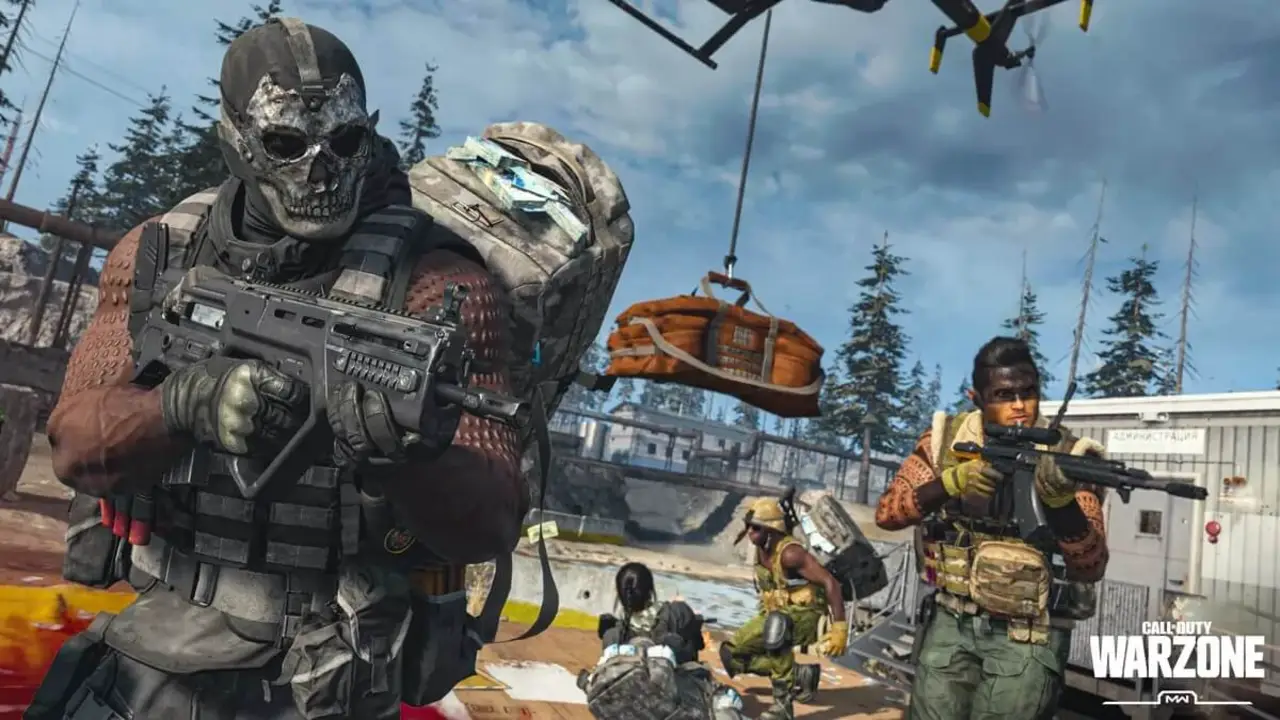
One of the clearest examples of this shift is the battle pass system. Popularised by games like Fortnite, Call of Duty: Warzone, and Apex Legends, battle passes offer tiered rewards, unlockable content, and time-limited progression.
Players are encouraged to play regularly, complete challenges, and stay engaged over time. This transforms gaming into an ongoing experience rather than a one-time purchase.
Daily Rewards and Habit-Building
Another major element is the use of daily rewards. Many games now offer login bonuses, daily missions, and streak-based incentives. These systems are designed to build habits and encourage consistency. Even players with limited time may log in just to claim a reward or complete a quick task, gradually creating a routine over time.
The Psychology Behind Rewards
Reward systems are deeply rooted in psychology. They tap into anticipation, achievement, and the feeling of progress. When players unlock rewards, they experience a sense of accomplishment. At the same time, they feel motivated to continue, driven by the anticipation of the next reward.
This is often supported by clear progression paths, visible milestones, and structured reward loops that encourage repeated engagement.
Loot Systems and Unpredictability
Loot-based systems add another layer. Instead of guaranteed rewards, players receive random items with varying levels of rarity and unexpected outcomes.
Many people compare these systems to slot machines because of their random nature. The unpredictability creates excitement, suspense, and high engagement. Players are not just playing for rewards, but for the chance of getting something better.
Changing Perceptions of Value
Modern gamers are more aware of value than ever before. They are not just asking whether a game is good, but whether it is worth their time and what they will get in return.
This has led to increased comparison between games, a stronger focus on rewards and progression, and higher expectations from developers. Games are more likely to succeed when they offer clear rewards, fair systems, and consistent progression.
Impact of Free-to-Play Models
The rise of free-to-play games has accelerated this trend. Since players are not paying up front, games need to retain attention and encourage engagement through incentives.
Instead of investing money immediately, players invest time, effort, and attention. In return, they expect meaningful progression and valuable rewards.
Rewards as a Competitive Advantage
Reward systems also play a key role in competitive gaming environments. In multiplayer games, rewards often signal status, showcase skill, and differentiate players.
Rare skins, exclusive items, and high-level unlocks act as achievements, social proof, and personal milestones. They give players a sense of identity within the game.
The Downside of Over-Designed Systems
However, not all reward systems are effective. Overcomplicated progression systems, too many currencies, and excessive grind requirements can lead to fatigue and frustration.
Players may feel pressured to keep up, which can reduce enjoyment. This is why balance is critical. Reward systems need to enhance gameplay, not overwhelm it.
The Rise of The Strategic Gamer
Today’s gamers are more informed and strategic. They research games before downloading, compare reward systems, and evaluate long-term value.
Many now choose games based on reward efficiency, time investment, and overall experience. This shift has changed how games are judged and how players engage with them.
What This Means for The Future
The growing importance of reward systems is shaping the future of gaming. Developers need to design engaging progression systems, balance rewards with gameplay, and maintain transparency. At the same time, players will continue to demand value, expect clarity, and compare their options carefully.
Looking ahead, reward systems will likely evolve even further. We may see more personalised rewards, AI-driven progression systems, and deeper social integration. However, the core idea will remain the same. Players want to feel rewarded for their time. They want more than a one-time experience. They want a reason to keep coming back.

![Sweepstakes Casinos: All the Prizes You CanWin [Ranked]](https://gamesleech.com/wp-content/uploads/2026/01/sweepstakes-casinos-all-the-prizes-you-canwin-ranked.webp)